

X
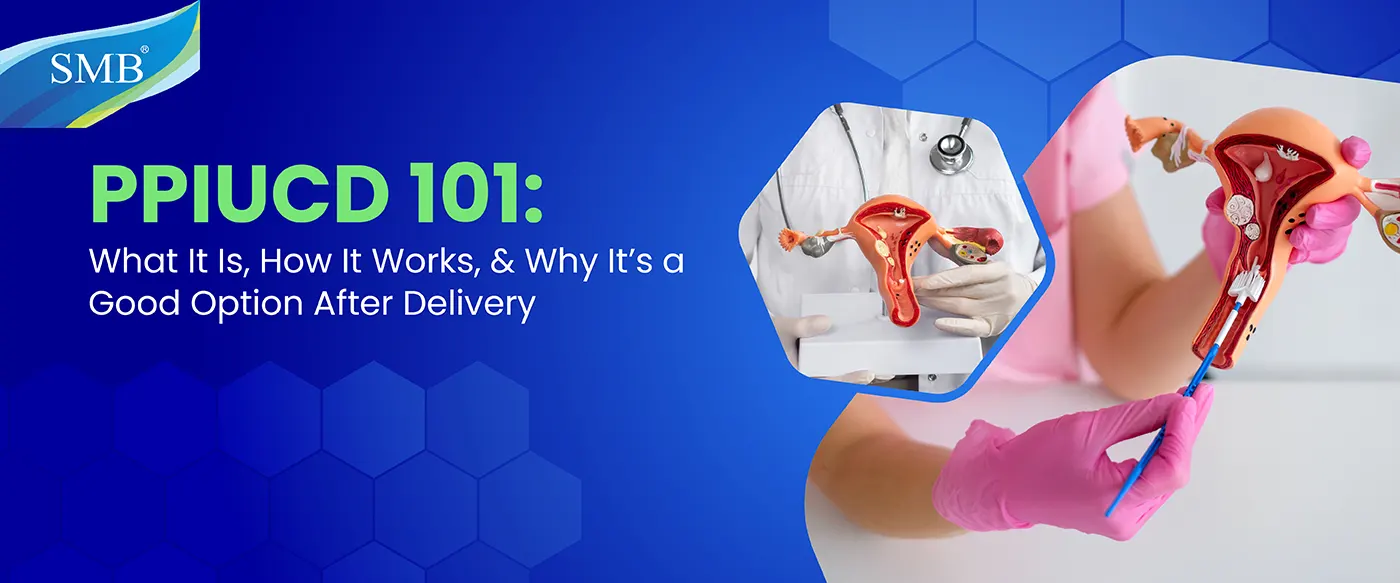
The period immediately following childbirth is a significant time to provide women with information on how to avoid unintended pregnancy. Many women are unaware that fertility may return sooner than they believe; most women begin to ovulate between three and four weeks post-delivery again (those who are not breastfeeding), and approximately fifty per cent of women resume sexual activity within six weeks post-delivery. Finding a dependable method of contraception can be very challenging for women when attempting to manage their many responsibilities after the birth of a child.
Therefore, women need effective and low-maintenance forms of birth control which can be used daily with minimal effort. The post-partum intrauterine contraceptive device (PPIUCD) can be one of the methods of birth control to meet this demand.
A PPIUCD is a copper intrauterine device that is placed inside a woman’s uterus immediately after the delivery of the placenta (post-placental), within 48 hours of childbirth, or during a Caesarean section before closing the uterus. Unlike “interval IUDs,” which are inserted weeks or months after delivery, the PPIUCD is a specialized form of intrauterine contraception designed specifically for safe and effective use in the immediate postpartum period.
Since the uterus is swollen, and the cervix is dilated immediately after delivery, the process of placing a PPIUCD is quick, painless, and simple for mothers to undergo before they leave the hospital.
This is the most common type of PPIUCD that is used in hospitals today. This non-hormonal device provides effective birth control for up to 10 years and has been widely accepted and recommended by various organizations involved in global health.
Depending on the country-specific guidelines and the availability of devices, other types of copper IUDs that provide similar long-term protection against conception may be made available by hospitals for patients to consider.
How a PPIUCD Works
Copper IUDs create a hostile environment toward sperm through which copper ions are released into the uterus from the copper IUD, making it difficult or impossible for sperm to travel to the egg and therefore to be able to fertilize the egg. Since the copper IUD does not contain hormones, there are no impacts to a woman’s hormone production when breastfeeding nor does it disrupt her regular menstrual cycle.
One of the biggest advantages of utilizing a PPIUCD is that it provides immediate pregnancy protection. The woman will have full birth control protection by the time she leaves the hospital.
Research conducted around the world has shown that the insertion of PPIUCD is safe, with minimal complications and expulsions occurring when the procedure is done by a trained provider.
Some women may experience cramps or heavier bleeding as minor side effects. However, it is temporary and resolves over the course of a few menstrual cycles.
Possible expulsion of the IUD; however, this is relatively rare. Similarly, perforation of the uterus is extremely rare and occurs infrequently even when the insertion technique is performed according to the manufacturer's recommendations by a trained provider.
The woman will need to check the strings of her IUD (the thread ends that are visible at the opening of the cervix) occasionally after placement, but particularly when she has had her first post-delivery menstrual period. Typically, a follow-up appointment is scheduled about 6 weeks post-delivery to assess the IUD.
If the woman cannot locate the strings of her IUD during the follow-up visit, the clinician may use physical examination or ultrasound to confirm that the IUD is in its intended position.
Women's fertility returns immediately upon removal of the IUD.
For more detail read our blog IUD Follow-Up: When to See Your Doctor and Why It’s Crucial
In comparison to all of the various forms of birth control options that are available to women who have given birth, the PPIUCD provides numerous benefits including: The option to instantly begin using a form of birth control, a long-acting form of birth control, the option to reverse the method of birth control, the safety of using while breastfeeding, and requiring little to no added maintenance.
The last few years have produced a large body of research showing a significant gap between the demand for and availability of postpartum family planning services worldwide, and most notably in developing countries. Research data reported in this report show that:
Postpartum family planning directly contributes to reducing maternal mortality, reducing child mortality - newborns & children and ensuring universal access to reproductive health.
Women who are provided contraceptive counselling prior to their discharge from the hospital potentially gain a greater sense of self-sufficiency, pursue educational or employment opportunities, and ultimately break the cycle of poverty for future generations.
The postpartum period is one of the most important time frames for both the mother and infant's health, and may create a new way of living for them. With so many different types of postpartum birth control available today, research has demonstrated that educating and giving women options for postpartum contraception during their hospital stay prior to their release from the hospital, increases the likelihood that they will have a healthy life for themselves and their children. Therefore, healthcare providers should educate women regarding their reproductive rights and provide options for postpartum contraception immediately after delivery. Healthcare providers should also be able to make long-term recommendations for birth control, including PPIUCD at the same time. Education and recommendation of postpartum contraception options is an essential service; therefore, global companies, such as SMB Corporation of India, manufacturing high-quality copper IUDs and other postpartum contraceptive devices, will expand the postpartum contraception options for the global community of healthcare systems.