

X
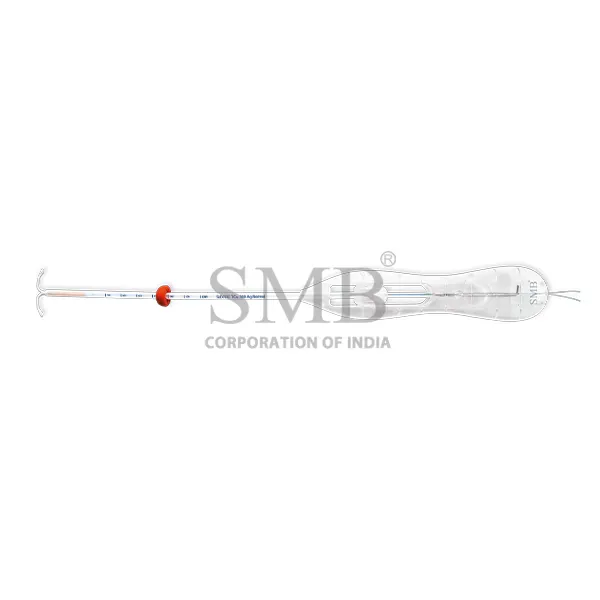
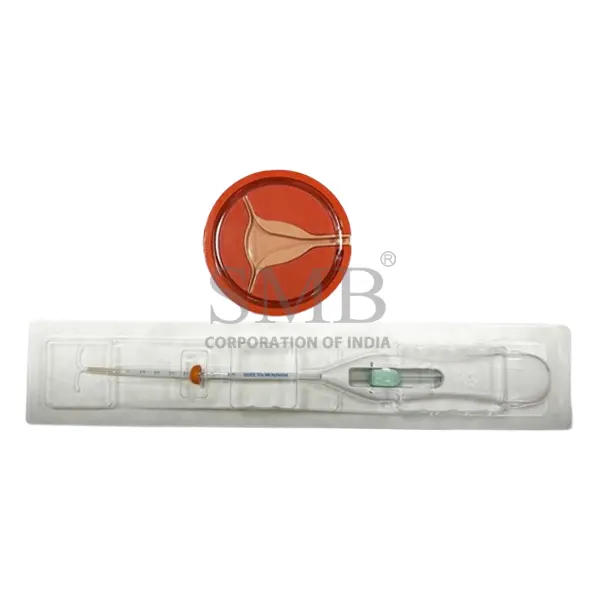
SiLVEe TCu 380Ag is an intrauterine contraceptive device featuring a Y-shaped frame with two flexible arms and a vertical stem.
The frame is made from low-density polyethylene compounded with barium sulphate, making it visible on X-ray. It is wound with copper–silver alloy wire, which delays wire fragmentation. A polyamide monofilament thread is attached to facilitate removal by a healthcare professional.
The device is supplied preassembled with an insertion tube, rod, handle and slider mechanism. A movable flange and centimetre scale allow the insertion depth to be set according to uterine sounding measurements.
Single Handed Inserter
The inserter provides a handle-operated loading and release mechanism designed for use with a no-touch insertion technique.
Its key features include:
The complete procedure must be performed by a qualified healthcare professional using aseptic technique.
IUDs do not protect against sexually transmitted infections, including HIV.
Assessment Before Insertion
The healthcare professional reviews menstrual history, previous pregnancies, medical conditions, medication and contraceptive needs.
Pregnancy must be reasonably excluded before insertion.
Symptoms and risk factors for sexually transmitted infections or pelvic infection are assessed.
An examination helps establish the position and orientation of the uterus.
A uterine sound is used to measure cavity depth and guide model selection and flange adjustment.
The clinician checks the packaging, use-by date and device condition before opening.
Ready. Fix. Release.
The Single Handed Inserter follows the three-stage sequence shown in the product demonstration.
| Stage | Action | Purpose |
|---|---|---|
| Ready | Move the slider upwards | Prepare the insertion assembly. |
| Fix | Move the slider down to the designated stop | Deploy the IUD arms at the appropriate stage of placement. |
| Release | Move the slider fully downwards | Release the IUD from the holding mechanism. |
After placement, the inserter is gently withdrawn and the retrieval threads are trimmed according to the Instructions for Use.
This sequence is an overview for healthcare professionals. Uterine sounding, flange setting, insertion depth and deployment must follow the complete product-specific Instructions for Use. The device cannot be reloaded after release.
Possible side effects include:
Potential complications include partial or complete expulsion, uterine perforation and pelvic infection. Pregnancy can occur if the method fails; a pregnancy with an IUD in place requires prompt clinical assessment, including assessment for ectopic pregnancy.
Seek medical advice for severe or persistent pelvic pain, fever, unusual vaginal discharge, very heavy bleeding or suspected pregnancy.
The device should not be inserted in women with conditions such as:
Painful or prolonged periods, severe anaemia, bleeding disorders and other relevant medical conditions require individual assessment.
This is a summary. The healthcare professional must refer to the complete contraindications and precautions in the approved product information.
Postpartum insertion requires assessment of the timing since delivery, uterine recovery, infection risk and breastfeeding status.
Copper-bearing IUDs can be used during breastfeeding. However, breastfeeding and recent childbirth are relevant to the assessment of uterine perforation risk.
The treating clinician should determine the appropriate insertion timing in accordance with the approved product instructions and applicable clinical guidance.
SiLVEe TCu 380Ag should be removed or replaced by the end of its specified five-year period of use. Keep a record of the insertion date and arrange a replacement appointment if continued contraception is required.
A change in thread length, inability to feel previously detectable threads, or feeling the device itself may require examination. Missing threads alone do not confirm displacement.
Use alternative contraception or avoid intercourse until a healthcare professional has checked the device. Do not attempt to reposition or remove it yourself. An expelled or partially expelled IUD must not be reinserted.
Fertility returns promptly after IUD removal, and pregnancy may occur in the same cycle.
If you are planning to conceive, discuss removal and preconception care with your healthcare professional. If pregnancy is not desired, arrange ongoing contraception before removal.
The supplied product information includes emergency contraception as an indication when inserted within five days of unprotected intercourse. A healthcare professional must assess eligibility and exclude pregnancy.
No. Surface discolouration can occur within intact sterile packaging. The device should not be cleaned or polished. Before use, the healthcare professional must check the packaging and use-by date.
No. The IUD and insertion components are intended for single use only. They must not be reused or resterilised.
Store at 15°C to 30°C in a dry place, away from direct sunlight, heat, water and mechanical damage.
These refer to different periods. Shelf life concerns storage before insertion, as indicated by the labelled use-by date. Contraceptive duration begins when the device is inserted.
Tcu 380Ag Single Handed Inserter | Step-by-step demonstration
For clinical decisions, always refer to the latest applicable product documentation and regulatory requirements for the relevant market.