

X
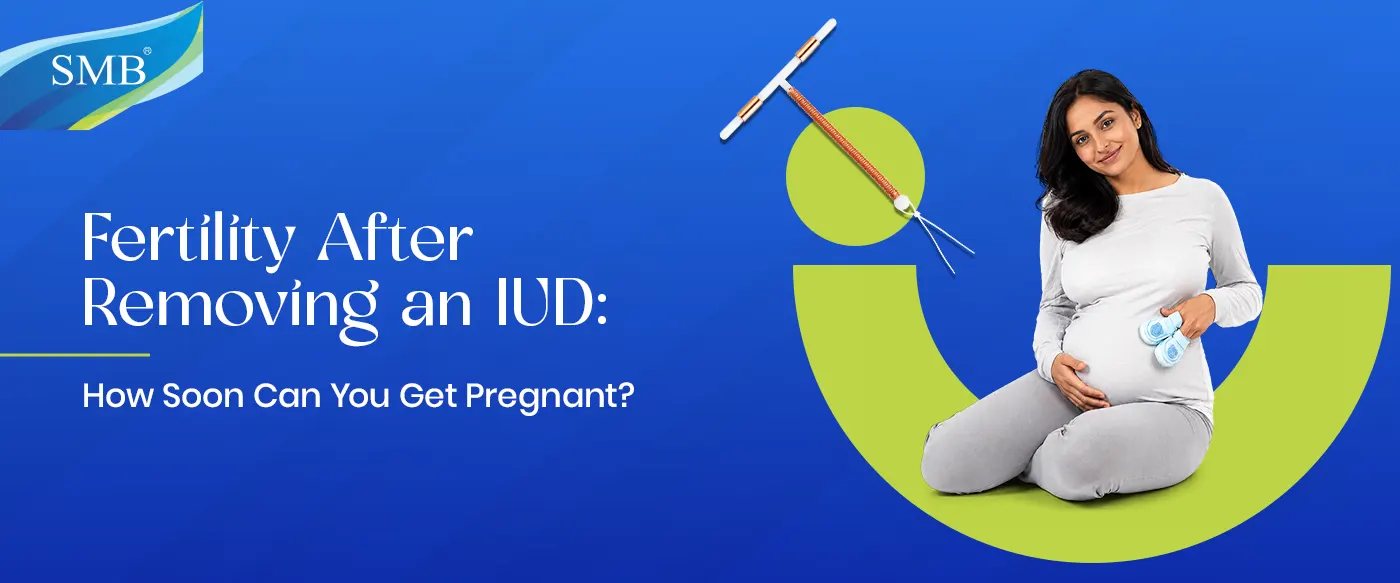
Women tend to be concerned with how long it takes to get pregnant once an IUD has been removed in case she decides to conceive. It is also good news that women are interested in learning as much as they can about their fertility after removing their IUD because IUDs are extremely successful at stopping pregnancies and very simple to remove.
If you're new to intrauterine contraception, understanding what an IUD is and how it works can help you make informed family planning decisions.
The Copper T 380A is probably the most popular form of non-hormonal IUDs. A copper based IUD, it is placed within the uterus and has no effect on the hormonal system as a whole. And the good news is since it is localized to the uterus, the chances of being fertile are nearly instant upon removal of the IUD. Learning about how IUDs work and what occurs after removal gives you the confidence to plan for a pregnancy.
An IUD is a long-term contraceptive device placed in the uterus by a healthcare provider. The Copper T 380A works by releasing small amounts of copper ions, which reduce sperm mobility and viability, preventing sperm from reaching and fertilizing an egg. The device is known to build an environment in the uterus that makes fertilization unlikely. However, copper IUDs do not suppress ovulation or cause permanent changes to the reproductive system, hence normal fertility usually returns after the device removal.
Related Article: IUD birth control effectiveness and side effects
Copper IUDs produce a local inflammatory reaction at the site of the uterine cavity; this inflammation and copper ion exposure on the sperm will be eliminated once the IUD is removed from the uterus. The amount of copper ions released into the uterine cavity will decrease after the removal of the IUD. With time, the body will resolve the inflammatory reaction present in the endometrial lining. When the uterine lining returns to a normal physiologic condition, as do the cervical secretions, then the reproductive system should return to normal function.
Typically the first thing a woman asks about having an IUD removed is how soon she can expect to get pregnant again. For most women their body returns to its normal state in no time at all. With a copper IUD, pregnancy can occur immediately after removal. Because the copper IUD does not contain hormones and does not prevent ovulation, fertility typically returns as soon as the device is removed.
As a result of the immediate loss of contraceptive effect, there are generally no delays in fertility from the removal of the IUD. In fact, research indicates that many women become pregnant within the first few months of attempting to become pregnant after the IUD was removed. However, the time frame for this is generally dependent on a variety of factors including age, general health status and the timing of ovulation.
Related Article : Understanding IUDs and Pregnancy
The Copper T 380A is a type of non-hormonal intrauterine device (IUD) providing long term birth control. It is made of pure copper and does not affect your body's natural hormonal cycles, so you will still experience your natural ovulation cycle with or without the device.
Since it is hormone-free, the Copper T 380A does not disrupt your body's natural ovulation cycle. When the Copper T 380A is removed from the uterus, your body can quickly return to its normal reproductive functioning.
Related Article : Difference Between Hormonal and Non-Hormonal IUD
The return to fertility after copper IUD removal is essentially immediate, because the device does not suppress ovulation or alter systemic hormone levels.
SMB Corporation of India is one company that manufactures gynecological equipment and supplies, such as copper IUDs, that are safe, effective and reversible and do not affect a woman's ability to conceive in the future.
The speed at which fertility returns is impacted by many factors including but not limited to:
In the majority of instances, it will be absolutely fine to begin attempting to conceive as soon as the IUD has been removed from your body. Most doctors agree that fertility will rebound very quickly after an IUD has been removed and that there is no time limit before conception should occur.
Before conceiving, it is also a good idea to consult with your health care provider. Before you conceive, a health care provider may recommend a general medical examination and or suggest lifestyle modifications and /or prenatal vitamins in order to give you the best chance to have a healthy pregnancy.
If you are trying to conceive after IUD removal, a few healthy habits may help improve your chances of pregnancy:
These steps can support overall reproductive health and increase the likelihood of conception.
Yes. The fact that the effects of a contraceptive device stop as soon as it is taken out, makes it possible for a woman to get pregnant again immediately after taking the device out.
Many women will have a conception within the first few months of use, but this time frame can vary from woman to woman based upon her individual fertility and ovulatory cycle.
No. The device is non-hormonal and has no effect on a woman's long term fertility when it is removed.
Yes. A copper IUD does not stop ovulation. Most women who use a copper IUD continue to ovulate normally each month
Many women are likely to become fertile immediately after an IUD is removed from the uterus and many women can become pregnant within one or two menstrual cycles after the IUD is removed. This is particularly true when they are tracking their ovulation and taking good care of their reproductive health.
The Copper T 380A is a non-hormonal form of birth control that does not affect your hormone levels and therefore allows for fertility post-IUD removal much sooner than you may think. Having a better understanding of this process will allow you to feel confident about planning your path to pregnancy.